Walk onto any ward, aged care facility, or GP center and you will certainly see the very same silent truth: healthcare assistance team are all over, and they are normally closest to the person when something goes wrong. Yet they are additionally the people who most often struggle to discover time for full‑day CPR and first aid training.
Express CPR courses and fast first aid training are an attempt to resolve that tension. Succeeded, they provide healthcare assistance team the abilities and confidence to react in the initial essential mins, without tearing a lineup apart or dragging people off the floor for a whole day. Done badly, they end up being a tick‑the‑box workout where people gather a first aid certificate however still ice up when a person quits breathing.
The distinction comes down to layout, shipment, and expectations.
I have spent years running first aid and CPR courses, consisting of express first aid and express cpr training for hospitals, handicap services, and aged care homes. What adheres to is drawn from that experience: what jobs, where express styles fail, and exactly how managers and staff can obtain real worth from fast cpr and fast first aid courses.
The truth for health care support staff
Most health care support personnel are working in settings where damage is common and unexpected rise is always feasible. Think of:
Porters moving a patient from recuperation who notifications the oxygen saturation plunging on the monitor.
A care assistant in an aged treatment dining room viewing a resident clutch their chest and slide from the chair. A handicap assistance employee alone in a community setup when a customer with epilepsy collapses and stops breathing.
Nurses and physicians might be nearby, yet in those first 30 to 90 secs, the person standing closest to the individual is usually a support worker, healthcare aide, PCA, AIN, or organized. That individual becomes the initial -responder by default.
The obstacle is that lineups are limited. Several solutions run lean staffing designs. Drawing somebody off the flooring for a full‑day first aid course or long first aid and cpr training classes can mean shutting beds, paying extra overtime, or compeling coworkers to absorb risky workloads.
That is where fast first aid training and express cpr courses locate their niche. They promise the essentials in a much shorter home window, often arranged around changes, handovers, or quieter clinical times.
The crucial question is not whether express courses are shorter. The concern is whether they are focused sufficient to keep staff capable, secure, and compliant.
What "express CPR" actually means
There is no universal interpretation of an express cpr course. Some suppliers utilize the label for any type of cpr training much shorter than 3 hours. Others make use of combined models where the theory part is completed online and the sensible abilities are done face‑to‑face in a really focused workshop.
In practice, a lot of express cpr training for healthcare support staff complies with one of three patterns:
A totally face‑to‑face quick session, greatly skills‑based, usually 60 to 90 mins. A blended layout with online theory in the staff member's own time, complied with by a 60 to 90 minute useful evaluation. A compressed integrated first aid and cpr course that focuses on life‑threatening emergency situations just, typically marketed as a fast first aid course or express first aid course.The express tag should never imply "much less extensive". It must imply "more structured". Good express first aid training strips out the generic content that clinical staff do not need, such as extended conversations on minor cuts or insect bites, and spends that time drilling the abilities that genuinely maintain people alive.
When I develop an express cpr course for a healthcare facility or aged care center, I start with 3 concerns:
What specifically are assistance staff most likely to encounter here?
Just how fast can professional backup realistically arrive? What does the law, the workplace policy, and the certification body require?Only afterwards do we discuss duration, format, or certification.
Core skills that can not be rushed
Shorter courses are just acceptable if every individual still demonstrates expertise in the skills that matter. For medical care support team, express cpr and first aid and cpr courses must constantly cover, practise, and analyze a core collection of capabilities.
Recognition of heart attack and life‑threatening deterioration
Assistance team require to be able to discriminate in between a sleepy person and a person that is unresponsive, not breathing typically, or in respiratory arrest. In a fast first aid course there is no room for unclear concept. They have to practise inspecting responsiveness, opening the respiratory tract, and rapidly assessing breathing. We also hang out on agonal gasps, which several inexperienced staff interpret as "breathing" when they are really an indication of heart arrest.Effective chest compressions
Compressions are where I see the biggest space in between concept and truth. Individuals commonly come into cpr courses stating they have done e‑learning or viewed office videos. Then they place their hands on the manikin and their compressions are also superficial, as well slow, or done in their arms as opposed to using their body weight.In express cpr training I demand a number of brief, extreme rounds of compressions rather than one long go. Personnel feel what 30 proper compressions do to their shoulders and how swiftly exhaustion ruins their technique. We then talk about revolving rescuers and just how to manage that in a real ward or aged treatment corridor.
Use of AEDs in actual scientific environments

Team first aid and cpr courses Cannon Hill duties and communication
Assistance staff hardly ever work alone. A great express first aid and cpr course uses situations that resemble the genuine group dynamics: who calls the code, that does compressions, that clears the bed, that competes the crash cart. We practice brief spoken loops: "You call the code. I will begin compressions. Please bring the AED." That appears easy, however in a real apprehension, individuals return to their training or their panic. You pick which by the way you train.Legal and organisational frameworks
Also in a pressed style, we need a quick, clear description of extent. Support personnel ought to leave knowing what their organisation expects of them, just how their first aid certificate matches that, and why beginning fundamental life assistance is not "overstepping" yet a core part of client safety.Where first aid suits express CPR formats
Many medical care solutions prefer an incorporated first aid and cpr course so they can renew CPR and more comprehensive first aid competencies in one block. When the routine is tight, they usually request for a fast first aid course or express first aid that concentrates on high‑risk events.
For assistance team in professional settings, the most appropriate first aid topics have a tendency to be:
Cardiac apprehension and choking
Upper body discomfort and believed heart attack Serious allergies and anaphylaxis Seizures, first aid course requirements especially in disability and mental health services Major bleeding and standard wound controlExpress first aid courses for health care employees hardly ever require prolonged sections on household dangers, office small injuries, or outdoor circumstances. The pressed time is much better invested running short, reasonable simulations in health center areas, property dining locations, or person transfer bays.
Where express childcare first aid training is required, such as in paediatric wards or children's solutions within a hospital, the emphasis shifts somewhat. Staff needs to recognize infant and kid CPR proportions, paediatric choking management, and the specific patterns of wear and tear in youngsters, which can be fast and remarkable after an evidently secure duration. Many organisations choose an express child care first aid course to freshen these skills every year, incorporated with broader paediatric education provided internally.
Designing express training around genuine roles
One of the weaknesses of common first aid courses is that they think of a single "rescuer" taking care of every little thing from roadside accidents to workplace paper cuts. Health care support personnel run in a very various environment. They belong to clinical groups, in buildings filled with specialist equipment and stringent policies.
The finest express cpr courses recognise that and are customized to the particular office:
Hospital porters and orderlies
They are regularly relocating people, often alone in lifts or lengthy passages. Training needs to include scenarios where a person deteriorates mid‑transfer, with restricted room and no prompt access to a full team. Practicing cpr on a cart in a slim space modifications whatever regarding body positioning and tools access.Aged care assistants
Locals can apprehend in bed, in a recliner chair, or in a communal area. Express first aid courses in this setting need to include repositioning a sickly person safely, handling relative who might exist and troubled, and using AEDs around mobility aids and oxygen equipment.Disability assistance workers
Support team may be in neighborhood homes, day programs, or transportation. They might have only one coworker close by. Fast cpr correspondence course here require to practice single‑rescuer cpr, using mobile AEDs, and handling seizures or aspiration in confined shower rooms or vehicles.GP and medical care support staff
Assistants, clinical aides, and method nurses can all be the first to observe a client plunging in the waiting space. Express first aid and cpr courses ought to walk directly through that scenario, including group monitoring, privacy considerations, and handover to rescue crews.When a carrier merely delivers a generic fast first aid course near me without changing for these truths, personnel really feel the inequality. They participate in, pass, and leave still unclear exactly how they would certainly cope in the setups they really face.
Express child care first aid in clinical and neighborhood settings
Express childcare first aid courses commonly attract team from mixed backgrounds: paediatric nurses, child care educators attached to medical facilities, allied health aides, and early treatment employees. The typical thread is duty for infants and children, frequently in high‑risk populations.
Compared with adult‑only express first aid, a great express child care first aid course spends even more time on:
Airway positioning and breathing analysis in infants
Parents and also experienced adult‑care team are usually reluctant to turn a baby's head sufficient to open up the airway, or they misjudge typical child breathing prices. Experiment infant manikins is crucial, and can not be changed by theory alone. 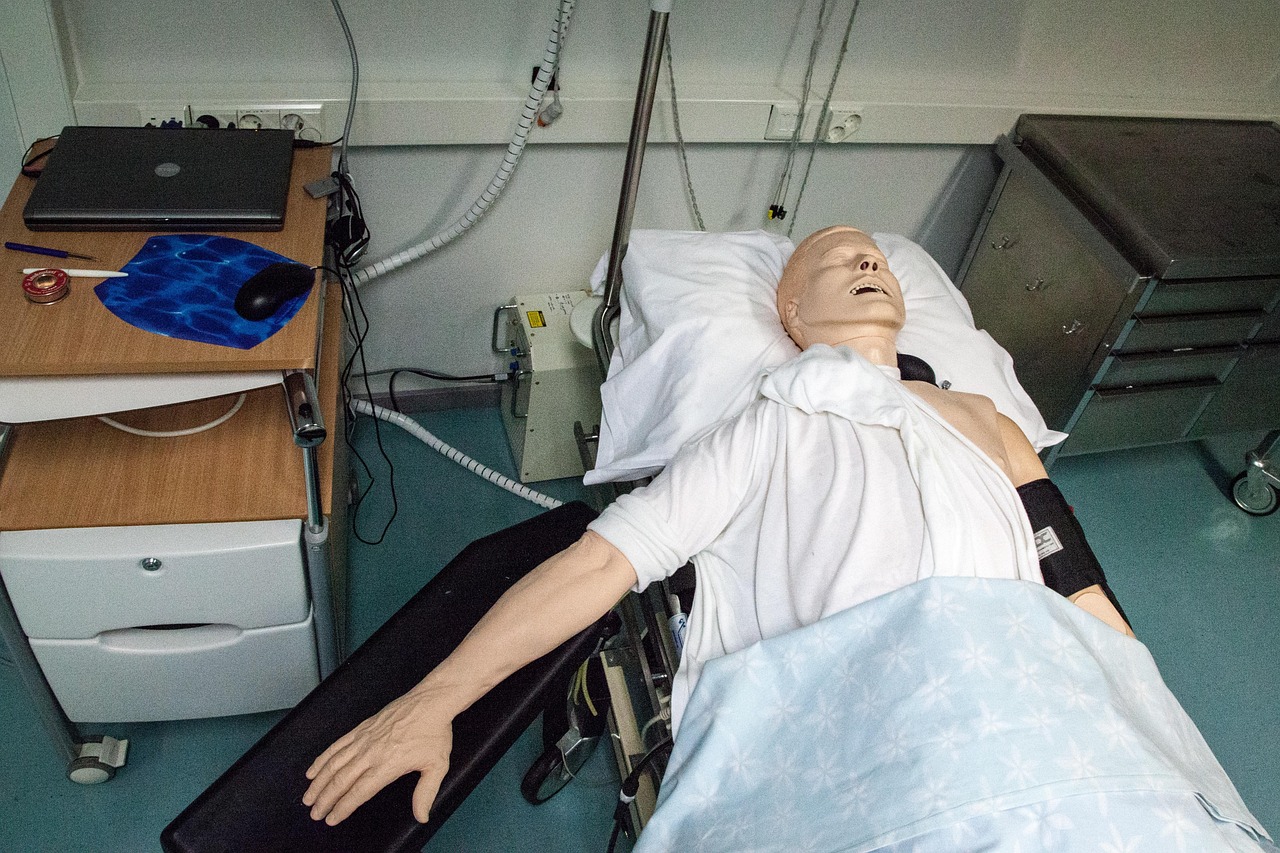
Infant and child CPR mechanics
The distinction in between two‑finger compressions on an infant and one or two‑handed compressions on a child have to be seasoned physically. In an express layout, short, repeated collections are much better than lengthy solitary efforts. We concentrate on getting the deepness and price right, not simply enduring a timed test.Choking in young children and infants
This is among the most typical and most distressing emergency situations in child care. Express child care first aid training should utilize age‑appropriate manikins and practical food items, and must stress positioning, back impacts, breast thrusts for infants, and abdominal drives for older youngsters with up‑to‑date guidance.Paediatric anaphylaxis
Many paediatric and childcare services have several adrenaline auto‑injector brands on website. Express childcare first aid courses need to permit personnel to deal with trainer devices, practice the management actions, and practice interaction with moms and dads and rescue services.When mixed right into a broader express cpr course or fast first aid training routine, these components can maintain paediatric understanding fresh without calling for whole‑day childcare‑specific workshops every year.
Making express training job within change patterns
The logistics of express cpr training in medical care settings can be much more complicated than the material. I have actually seen well‑intentioned programs fall apart since nobody mapped training times versus staffing realities.
For 24‑hour solutions, one of the most workable designs usually include among the following:
Short sessions beginning early, catching graveyard shift before they go home and day change as they arrive.
Mid‑shift obstructs for locations with predictable quieter home windows, such as mid‑afternoon in some outpatient clinics. Numerous repeats of the same 60 to 90 minute express first aid course in a single day, so small teams can cycle via without leaving divisions understaffed.The fantastic benefit of fast certification designs, especially mixed knowing, is adaptability. Personnel complete first aid and cpr theory online in their very own time within a set home window, then go to focused express first aid training for abilities assessment. For offices, that usually suggests much less interruption and less aggravation attempting to press long talks about individual peaks.
One care, though: on-line components do not automatically equivalent discovering. Supervisors ought to check conclusion records and, where possible, ask suppliers if the e‑learning consists of scenario‑based concerns rather than basic click‑through slides.
What to try to find in an express CPR or fast first aid course
Because "express" is not a protected term, you will certainly locate significant variation in top quality. When choosing a carrier for health care assistance staff, it assists to ask a few sharp questions.
Here is a compact decision checklist you can make use of when comparing express cpr courses and fast first aid courses for your office:
Is the course nationally identified or straightened with appropriate medical standards, and will staff receive a valid first aid certificate or CPR declaration of attainment? Does the carrier consistently educate medical care or aged treatment team, and can they customize situations to healthcare facility, handicap, or childcare settings? Is there a blended discovering alternative that makes use of significant on-line components, not simply static PDFs, to ensure that face‑to‑face time is freed for extensive abilities practice? How numerous individuals per instructor, and how many manikins per group, to make sure every person practises enough compressions, AED usage, and circumstance job? Is there a clear plan for refresher cycles, consisting of express cpr correspondence course choices, to ensure that yearly or biannual revivals are workable for rosters?If a service provider can not address these plainly, or tries to market a generic public "fast first aid course near me" without acknowledging the specifics of your setting, maintain looking.
Addressing typical worries and misconceptions
Both personnel and supervisors commonly have reservations regarding fast first aid and express cpr training. Several of them are justified, others are based upon obsolete experiences.
"Express means watered‑down"
This is just true if the service provider makes use of express as a marketing term without redesigning the course structure. A well‑built express first aid course trims rep and non‑essential subjects while maintaining (and even improving) hands‑on method for the core skills. Actually, I typically see much better compression method from team that have actually just completed a concentrated 75‑minute express cpr course than from those that sat through a long, theory‑heavy day."We can not spare team from the flooring, also for 60 minutes"
In high‑acuity areas with persistent staffing pressures, this feels shateringly real. Yet the risk of having a mainly untrained assistance labor force is not theoretical. Coronial reports regularly keep in mind delays in standard life support since "team were unclear of their role" or "no‑one commenced breast compressions up until scientific team showed up". In my experience, when managers draw up several small sessions of fast first aid training over a few weeks, the short‑term discomfort is manageable and the reward in self-confidence is significant."Support staff will certainly never really do CPR, that is the nurse's job"
Walk through any kind of real arrest circumstance and you will see this is false. By the time a nurse or doctor shows up, priceless secs have currently passed. An assistant who can examine responsiveness, telephone call for help, and begin compressions gets crucial time. Also if professional team take control of quickly, that very first reaction often makes the difference in between a survivable downtime and an unsurvivable one."Online CPR training is enough for support staff"
Theory‑only cpr training is never sufficient. Fast certification versions that avoid face‑to‑face assessment offer a harmful illusion of proficiency. Compressions, specifically, are a physical skill. Without comments on deepness, rate, and recoil, lots of people underestimate how much initiative is needed. If a carrier uses a simply on the internet express cpr course for health care setups, I highly discourage it.Making express training stick after the course
Even the very best express first aid courses are just pictures. Abilities begin to fade within months if they are never utilized or taken another look at. That is especially real for support personnel that may rarely see full arrests, but usually see early indication of deterioration.
There are a couple of simple, low‑cost methods to enhance learning between formal fast cpr or first aid and cpr course renewals.
First, incorporate micro‑drills right into routine team conferences or handovers. 2 or 3 mins reviewing the DRSABCD action plan, practising breast compressions on a manikin in the ward storage place, or going through the area of the nearby AED maintains paths fresh.
Second, utilize brief debriefs after actual cases. When an emergency happens, involve assistance personnel in the review. What functioned, what really felt complicated, how did the emergency telephone call process go, where was the AED, who started compressions? These discussions are powerful, particularly when paired with positive recognition of staff who acted quickly.
Third, set brand-new staff with knowledgeable coworkers during sensible components of express cpr training. "Pal" versions are especially efficient for assistance employees brand-new to medical care. Hearing how an elderly colleague handled their very first real‑life arrest frequently links the gap in between concept and practice.
Finally, timetable express cpr refresher courses proactively, not reactively. If you wait until certifications will expire and after that try to cram training right into a solitary week, lineups suffer and edges are more likely to be reduced. A rolling calendar of fast cpr refresher course sessions across the year spreads out the load.
Balancing conformity, fact, and person safety
Every medical care manager I know lives in a tug‑of‑war in between mandatory training targets and everyday scientific stress. Express first aid courses and express cpr training can feel like yet an additional compliance box, or they can end up being a sensible security tool that team in fact value.
The difference rests on some consistent principles:

Be truthful about the clinical risks support team face. If they are alone with people, they need more than a theoretical understanding of initial aid.
Select course structures that respect change work and tiredness, rather than adding long classroom days in addition to hefty rosters. Insist on genuine practical assessment, also basically formats. A first aid certificate must reflect actual capability, not just attendance. Incorporate express first aid and cpr courses right into a more comprehensive culture of emergency preparedness, rather than treating them as isolated events.When express cpr courses are selected and implemented with that said state of mind, health care assistance team quit seeing them as a worry. They start to see them as a chance to obtain control over some of the scariest moments in their functioning lives.
And on the day when an individual, resident, or client suddenly quits breathing at the exact moment a registered nurse is down the hall and the physician is on another flooring, the person who reaches them initially will certainly already know what to do. That is real examination of any kind of fast first aid course or express cpr training program: not exactly how short it is, not how many certificates are printed, but exactly how smoothly and effectively a support worker's hands move in those first secs when every heartbeat matters.